


 2026-10-13
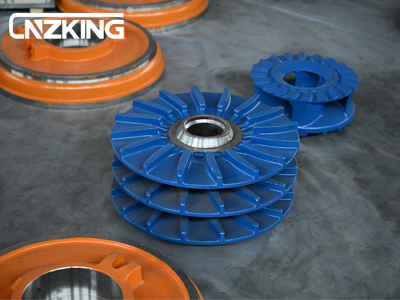
Slurry Pump Overflow Components Replacement Guide: How to Identify Wear and Avoid Common Installation Mistakes
Most maintenance teams run slurry pumps until obvious failure occurs. This reactive maintenance style often causes secondary damage to pump housing, bearing sets and mechanical seals. The better practice is regular wear assessment and planned changeout.
 2026-09-30
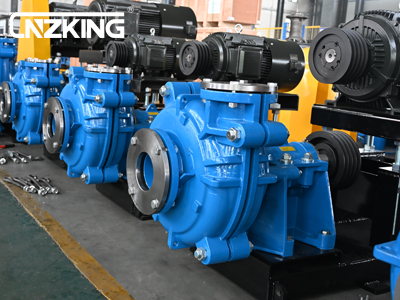
What Improper Operations Accelerate Slurry Pump Damage?
A slurry pump is designed to handle abrasive and sometimes corrosive slurry, but even a heavy-duty pump can suffer premature damage when it is operated incorrectly.
 2026-09-18
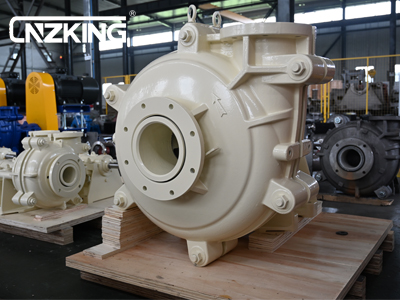
Why an Experienced Pump Maintenance Engineer Matters in Slurry Pump Operations
why having an experienced pump maintenance engineer available can make a significant difference.
 2026-09-04
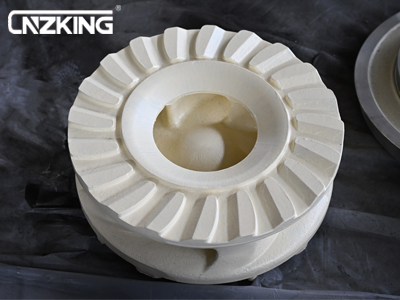
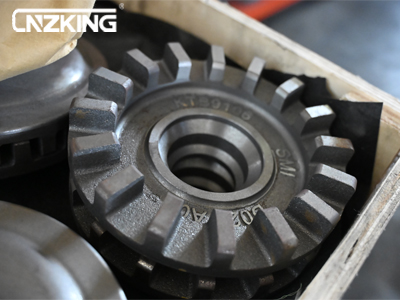
Why Does a Slurry Pump Need the Right Impeller?
When selecting a slurry pump, customers usually focus on flow rate, head, pump size, and motor power. However, one component deserves just as much attention: the impeller.
 2026-08-28
Expeller Ring Seal vs. Gland Seal: What Is the Difference and Which Slurry Pump Seal Should You Choose?
When selecting a slurry pump, customers usually pay close attention to flow rate, head, motor power and wet-end materials. However, one important component is often overlooked: the shaft sealing system.
 2026-08-21
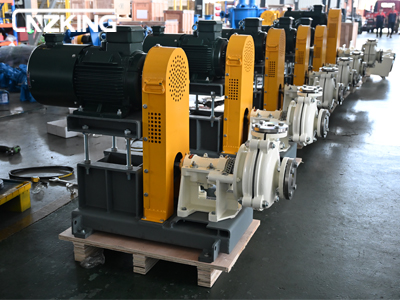
Why a Bigger Motor Is Not Always a Better Choice for a Slurry Pump
When selecting a slurry pump, customers often pay close attention to the pump model, flow rate, head, and material. However, there is another important part of the system that is sometimes overlooked: the motor.
KEEP IN TOUCH WITH ZKING
Let’s share the latest industry pump information and news together.


-
 Whatsapp+86 13903116635
-

 Wechat
-

-
 E-mailsales11@kingslurrypump.com
-
